What if your next home felt like a weekend escape even on a Tuesday night? In Woodinville, that idea is not far-fetched. You get a place shaped by wine-country energy, wooded surroundings, and everyday access to trails, tasting rooms, and outdoor living. If you are imagining a home that balances privacy, design, and lifestyle, Woodinville offers a compelling setting. Let’s dive in.
Why Woodinville Feels Like a Retreat
Woodinville sits about 15 miles northeast of Seattle in the Sammamish River Valley, but its atmosphere feels distinct from a typical suburban routine. The city describes itself as both a unique community of neighborhoods and a premier tourist destination. That mix gives the area a lifestyle identity that many buyers notice right away.
Wine country is a big part of that identity. Woodinville is home to over 130 wineries, breweries, and distilleries, and the city says the hospitality scene draws hundreds of thousands of visitors each year. For you as a buyer, that translates into a place where dining, tasting, events, and scenic gathering spaces are woven into daily life.
Woodinville Wine Country at a Glance
The local wine experience is not limited to one single pocket. Visit Woodinville highlights four distinct districts: Downtown, Hollywood, Warehouse, and West Valley. Each one brings a slightly different feel, which helps explain why Woodinville appeals to buyers looking for both variety and character.
In practical terms, that means your version of a retreat can take different shapes. You may picture a home near Wine Walk Row in Downtown, a more tucked-away setting with quick access to tasting rooms, or a location that feels more private while still keeping the wine-country scene within easy reach. Woodinville supports all of those visions.
Four Districts, Different Experiences
Downtown tends to center convenience and connection. Tasting rooms, restaurants, and walkable destinations create a lively base for people who want activity nearby. If you enjoy a more connected rhythm, this area may fit your style.
Hollywood is often associated with the classic wine-country image many buyers have in mind. Warehouse and West Valley add more layers to the overall experience, with tasting rooms and production spaces that help make the local scene feel broad rather than uniform. That district-based pattern gives Woodinville unusual depth for a compact city.
The Public Spaces Shape the Lifestyle
Local winery settings help tell the story. JM Cellars features a wooded hillside setting with walking trails, a pond, and a bocce court. Cave B’s Woodinville tasting room emphasizes a patio and indoor-outdoor feel, while L’Ecole’s tasting room brings the experience into Downtown’s Wine Walk Row.
These examples matter because they show what buyers are often responding to in Woodinville. The appeal is not only about wine. It is also about gardens, patios, trails, natural textures, and places that encourage you to slow down.
What “Retreat” Means in Woodinville Real Estate
In Woodinville, a retreat does not always mean a large estate on expansive land. More often, it means a home that creates a sense of calm, privacy, and connection to the natural setting. That feeling can show up in different property types, depending on where you look.
The city’s housing mix includes about 54% single-family homes, 34% multifamily housing, and 12% townhouse or mobile home inventory. Owner occupancy is 73%, and the city estimates a median home value of $1,100,100. Those numbers point to a market with meaningful variety, not a one-note housing landscape.
Typical Home Settings You May Find
Woodinville’s land-use pattern helps explain why the area often feels more private and green than more urban markets nearby. The northeastern part of the city includes low-density woodland residential areas shaped by critical areas, natural features, and the city’s effort to retain that character. Density generally decreases toward the edges.
For you, that may translate into homes with more trees, more visual separation, and a stronger sense of quiet. Closer to the core, you may find attached single-family homes, townhomes, and newer multifamily options that offer easier access to downtown services and wine-country destinations. The market gives you more than one way to define retreat living.
A Market That Is Evolving
Woodinville is not standing still. The city’s 2044 planning update points to more mixed-use and middle-housing development, including the Eastrail Mixed-Use zone and added middle housing in single-family zones. That suggests a long-term pattern of growth that is more focused on nodes and corridors than on unchecked outward expansion.
For buyers, that matters because it helps explain where future change may concentrate. You can still find low-density settings that feel tucked away, while also seeing a more diverse housing future emerging around the core. That balance is part of Woodinville’s long-term story.
Design Features That Suit the Setting
A true Woodinville retreat works best when the home matches the climate and landscape. Nearby climate data shows a wet-winter, drier-summer pattern, with average precipitation around 5.78 inches in January and 0.60 inches in July. Summer highs average about 77 degrees, while December highs are around 47 degrees.
That kind of weather gives you long shoulder seasons and plenty of reason to prioritize covered outdoor living. It also rewards practical design choices that support comfort and durability year-round. In Woodinville, the best lifestyle features are often the ones that help you enjoy the setting in every season.
Outdoor Features Worth Prioritizing
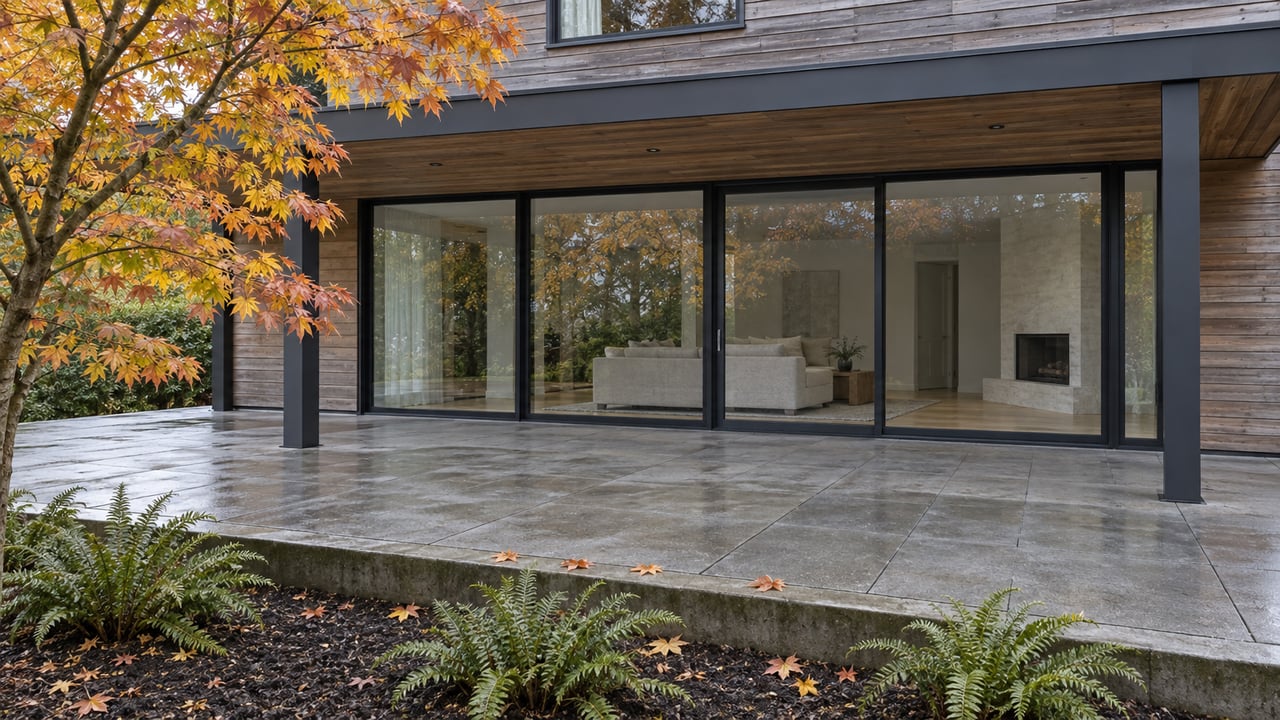
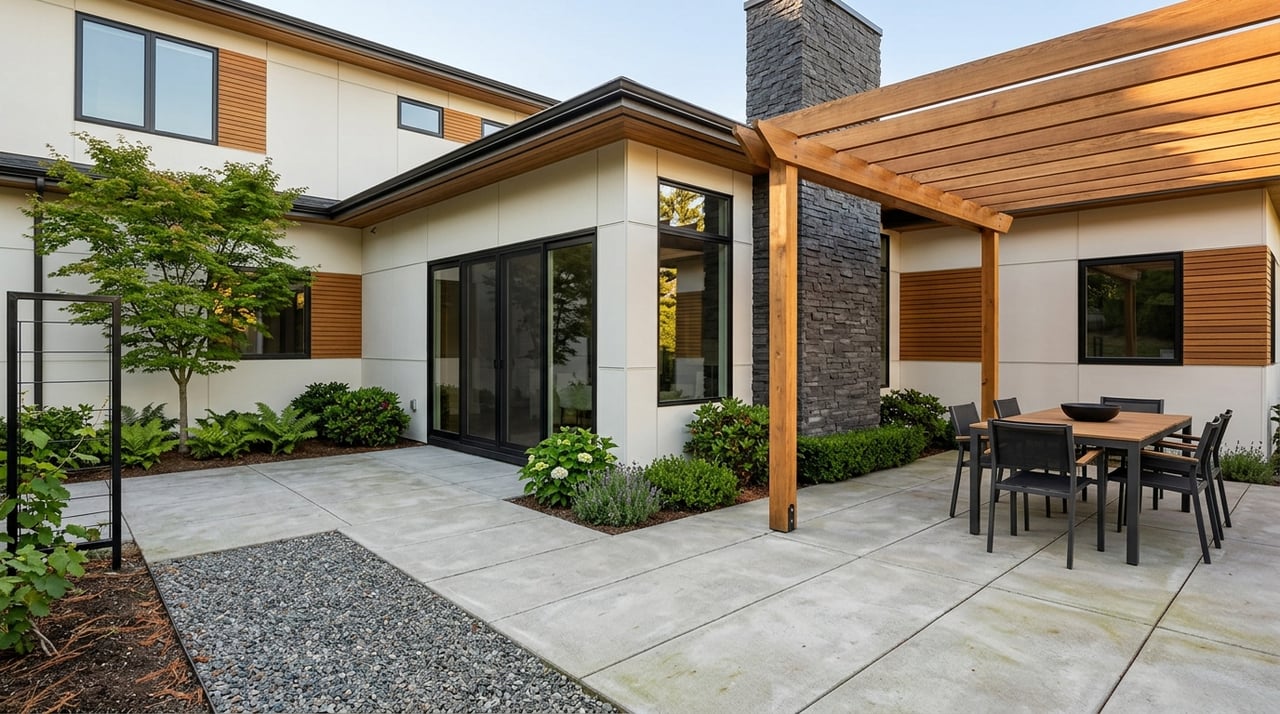
When you tour homes, look closely at how outdoor spaces are protected and used. Covered patios or decks can make a major difference in the Pacific Northwest, especially when you want to entertain or relax outside beyond peak summer months. Outdoor heating or a fire feature can extend that use even more.
Other smart features include durable exterior surfaces, strong drainage, and privacy-aware landscaping. Mudrooms and gear-storage areas also make sense here, especially if you plan to use nearby trails and outdoor spaces regularly. These choices support the climate while helping your home feel polished and easy to live in.
Design That Feels Local
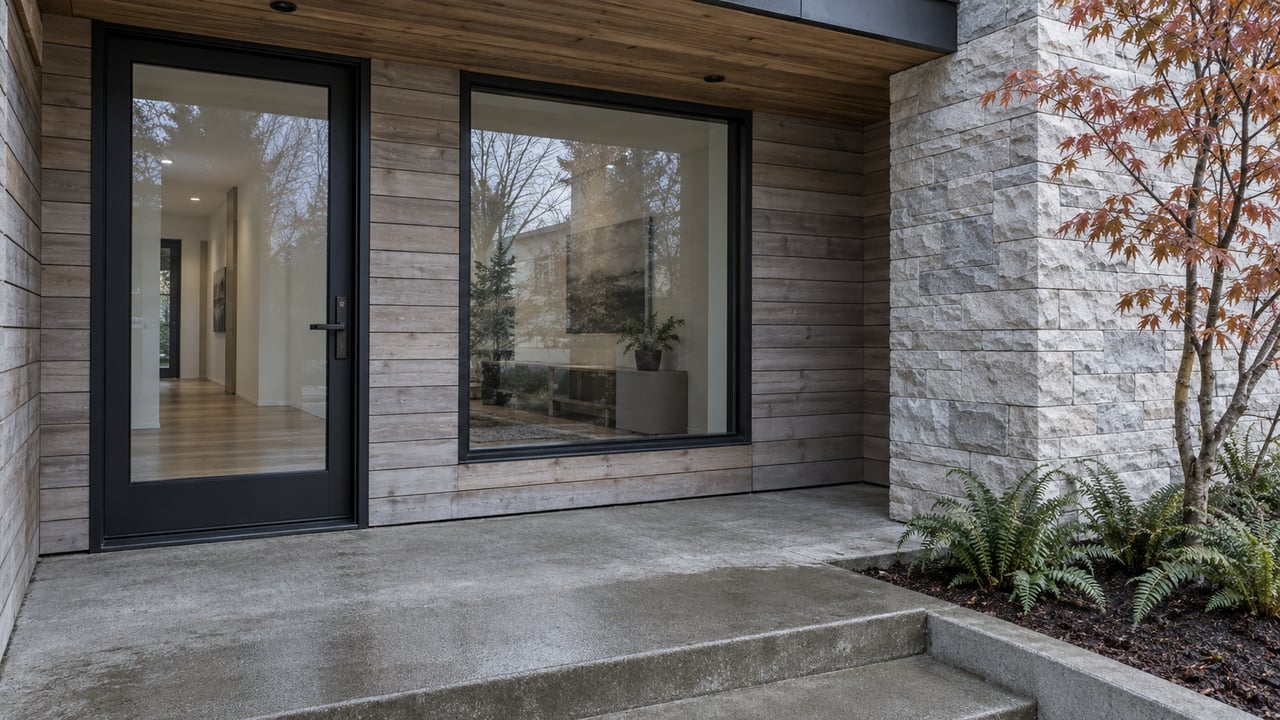
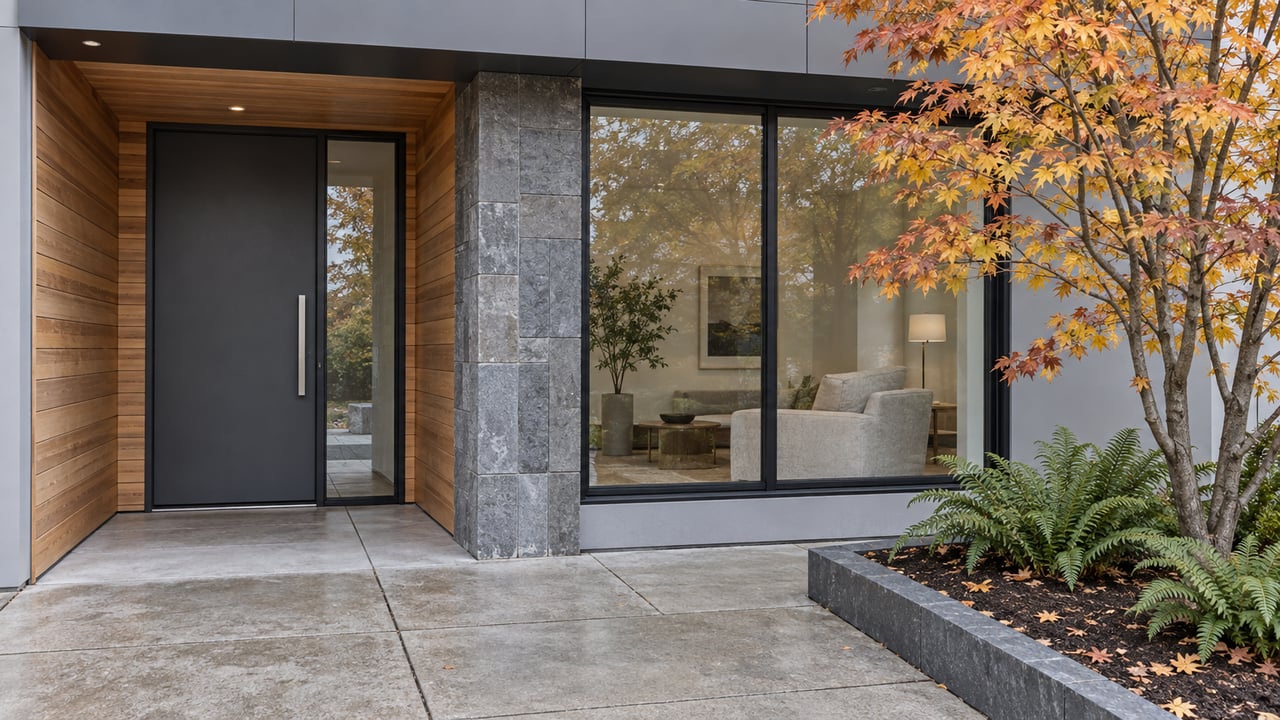
Woodinville’s setting naturally supports indoor-outdoor flow, natural materials, and garden-forward spaces. A lower-contrast palette often feels at home here because it complements the wooded surroundings rather than competing with them. Tree-sensitive landscaping can also help a property feel more integrated with the local environment.
If you are drawn to a more refined Pacific Northwest aesthetic, Woodinville gives that style room to work. Thoughtful patios, simple plantings, and warm natural textures can create a home that feels elevated without feeling out of place. In a market like this, design is not just visual. It shapes how the home lives day to day.
Everyday Access to Trails and Town
A retreat lifestyle works best when it is easy to enjoy without a lot of planning. Woodinville stands out here because recreation and wine-country destinations connect in practical ways. You are not limited to driving from one isolated destination to another.
The Sammamish River Trail is a 10.1-mile paved trail that runs through Woodinville past wineries and breweries. The planned Eastrail Corridor extension through downtown is intended to link Wilmot Gateway Park to the city limits and connect into the broader 42-mile Eastrail network. That trail access reinforces the area’s blend of movement, scenery, and local amenities.
Walkability in the Wine District
If you are wondering whether the wine district is walkable, the answer is yes in key areas. The four-district layout, along with downtown connections and trail access, supports a stroll-and-sip rhythm that is part of Woodinville’s appeal. That can make a big difference if you want lifestyle amenities close at hand.
Walkability here does not mean every part of the city feels the same. Some areas are more connected and active, while others feel more residential and tucked away. Knowing which version best matches your goals is an important part of your home search.
Thinking Long Term About Ownership
When you buy in a place with strong lifestyle appeal, it helps to understand the bigger picture. Woodinville’s 2044 planning materials project population growth to between 17,105 and 19,754 residents by 2044. The city also identifies a need for 2,033 additional housing units, with estimated land capacity for 8,859 units.
Those figures suggest ongoing growth pressure, but also growth that is being planned. For you, that means Woodinville’s appeal is being managed through zoning, corridor planning, and mixed-use nodes rather than a simple expansion model. That kind of structure can matter when you are weighing both present enjoyment and future context.
Lifestyle Demand, Not Guarantees
Tourism and hospitality remain a meaningful part of Woodinville’s identity. With over 130 wineries, breweries, and distilleries and a high volume of annual visitors, the city continues to attract attention well beyond its residential base. That supports an enduring lifestyle pull.
Still, it is best to think about that as desirability, not certainty. A Woodinville purchase should first align with how you want to live. When your home supports your daily routines, entertaining style, and sense of place, the decision tends to feel more grounded.
How to Envision Your Best Fit
The right Woodinville retreat starts with a clear picture of how you want your home to function. You may want a wooded single-family setting with more privacy and outdoor space. Or you may prefer a lower-maintenance home closer to downtown, trail access, and tasting rooms.
It also helps to think beyond square footage. Consider how often you entertain, how important covered outdoor living is to you, and whether you want a home that feels tucked away or more connected to Woodinville’s active core. In this market, lifestyle fit is just as important as finishes.
If you are exploring Woodinville with a design-forward lens, careful guidance can help you narrow the options quickly. From property setting to outdoor usability to long-term context, the details matter. When you understand how Woodinville’s housing patterns and wine-country character intersect, your search becomes far more strategic.
If you are ready to explore what a Woodinville retreat could look like for you, Brian Hopper can help you shape a private, informed strategy around lifestyle, design, and market fit.
FAQs
What makes Woodinville feel like a wine country retreat?
- Woodinville combines a residential setting with over 130 wineries, breweries, and distilleries, four tasting districts, trail access, and a mix of wooded and walkable environments.
What types of homes are common in Woodinville?
- Woodinville’s housing mix is about 54% single-family, 34% multifamily, and 12% townhouse or mobile home, with lower-density woodland areas generally found toward the edges of the city.
What outdoor features suit a Woodinville home best?
- Covered patios or decks, durable exterior materials, strong drainage, mudrooms, gear storage, outdoor heating, and privacy-aware landscaping fit the local climate and lifestyle well.
Is the Woodinville wine district walkable?
- Yes, key parts of Woodinville support walkability, especially across the four wine districts and near the Sammamish River Trail and planned Eastrail downtown connections.
How is Woodinville expected to grow over time?
- The city’s 2044 planning materials project population growth and additional housing needs, with future development expected to focus on mixed-use areas, corridors, and added housing diversity in selected zones.