If you are watching Redmond’s luxury market, one thing stands out right away: this is not a place where you can rely on broad assumptions. Some homes move in days, some need price cuts, and two properties at a similar price point can perform very differently depending on location, condition, and positioning. If you want to buy or sell at the top of the market with confidence, it helps to understand what is really driving demand, pricing, and competition in Redmond today. Let’s dive in.
Why Redmond luxury stays in demand
Redmond has a strong foundation for luxury housing demand. The city reported a population of about 80,040 in 2023, and the Census Bureau’s 2024 ACS profile reported a median household income of $148,601, along with a bachelor’s degree-or-higher rate of 74.5%. Those numbers matter because they point to a well-educated, high-earning buyer base that can support premium pricing.
The city also highlights major employers including Microsoft, Nintendo of America, Amazon Kuiper, Meta, Astronics, and Stryker. That concentration of high-tech employment helps explain why Redmond continues to attract affluent professionals, relocating executives, and move-up buyers. In practical terms, luxury demand here is closely tied to the region’s tech economy and the lifestyle needs that come with it.
Redmond’s buyer pool also appears to be highly local. Redfin reported that from October through December 2025, 77% of Redmond homebuyers searched to stay within the metro area. That suggests many buyers already know the Eastside well and are making very specific decisions about commute patterns, home style, lot quality, and neighborhood setting.
What the latest market data shows
Recent numbers show a market that is still competitive, but not careless. Redfin’s March 2026 snapshot showed a median sale price of $1,397,500, up 4.2% year over year, with median days on market at 13. Homes sold at a 99.4% sale-to-list ratio on average, while 22% sold above list price.
At the same time, 37.5% of homes took price cuts. That is an important signal for both buyers and sellers. It tells you the market is willing to reward strong pricing and good presentation, but it is also quicker to push back when a listing misses the mark.
Zillow’s April 30, 2026 snapshot painted a similar picture. It showed an average home value of $1,408,840, 232 homes in inventory, a 0.991 median sale-to-list ratio, and 11 days to pending. Since Zillow’s value figure is an index and not the same as a closed-sale median, you should not expect a perfect match with Redfin, but the overall direction is consistent.
For luxury-specific inventory, Redfin’s luxury search page showed 233 luxury homes for sale in Redmond, with a median listing price of $1.2 million. Redfin defines luxury as the top 5% of a metro area’s price range, so this figure is best read as a view into premium-tier competition rather than a single fixed market segment.
Why pricing strategy matters more now
One of the easiest mistakes in a strong market is assuming every high-end home will command an aggressive premium. The data does not support that view in Redmond right now. Homes are still moving relatively quickly, but not every listing is being swept up at any price.
March 2026’s 13 median days on market was still fast, yet it was slower than the 5-day pace reported a year earlier. That shift matters. It suggests buyers remain active, but they may be more selective and more responsive to value than they were during the prior year’s faster cycle.
For sellers, that means pricing precision matters. A well-prepared home can still capture strong interest and move quickly, but overpricing is more likely to lead to reductions and lost momentum. In the luxury tier, that early momentum often shapes the final outcome.
For buyers, this creates openings. If a listing is overreaching, underspecified, or not fully aligned with what the market expects at that price, there may be room to negotiate. The opportunity is not necessarily in every home, but in the homes that missed their audience or entered the market without enough strategy.
New construction versus established neighborhoods
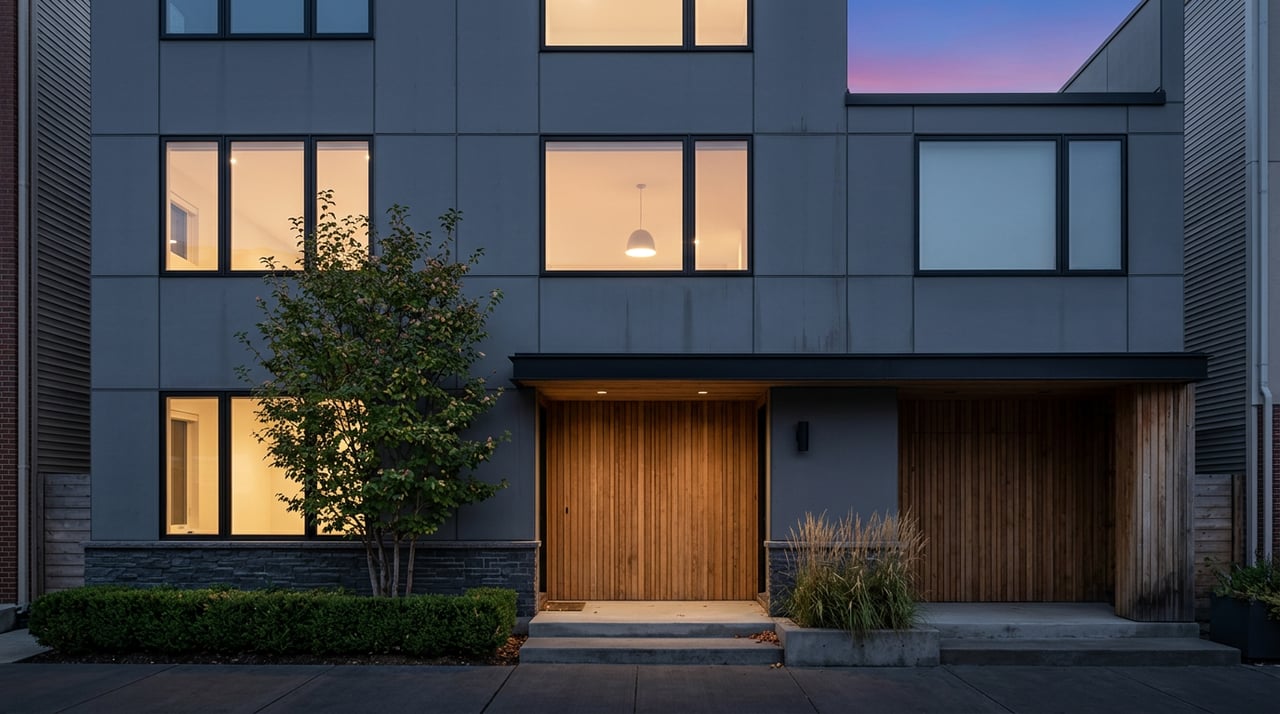
A major force in Redmond’s luxury market is the difference between newer urban supply and mature residential neighborhoods. This is one reason similar price points can behave so differently. Buyers are not just comparing square footage. They are comparing lifestyle, setting, design, and long-term fit.
Downtown and Overlake competition
Downtown and Overlake are Redmond’s two main urban centers. The city says Downtown is one of its two designated regional growth centers, with nearly 6,000 residents and more than 10,000 jobs. Since 2010, more than 1,200 new multifamily homes have been permitted there, and Downtown is expected to absorb one-third of Redmond’s planned housing growth through 2030.
Overlake is also evolving. In 2025, the city updated the area to expand the urban center boundary and increase height and floor-area allowances near light rail stations. Marymoor Village is also being planned as a more walkable mixed-use area with housing in mixed-use developments and townhomes, along with rapid transit connections.
For luxury buyers, newer construction in these areas often competes on modern systems, efficient floor plans, contemporary design, and transit access. These homes can appeal to buyers who want low-maintenance living, proximity to job centers, or easier regional access.
Established neighborhood appeal
Mature neighborhoods compete differently. The city describes Education Hill as one of Redmond’s largest residential neighborhoods, with large trees and a strong walkability presence. Grass Lawn is described as a mature, highly walkable neighborhood with established character and mostly low- to moderate-density housing.
North Redmond is primarily low-density and low-moderate-density residential with open space and trails. Bear Creek includes a mix of detached homes, manufactured homes, apartments, condos, resource lands, and neighborhood retail. These areas are not interchangeable, and buyers often place a premium on the specific setting they want.
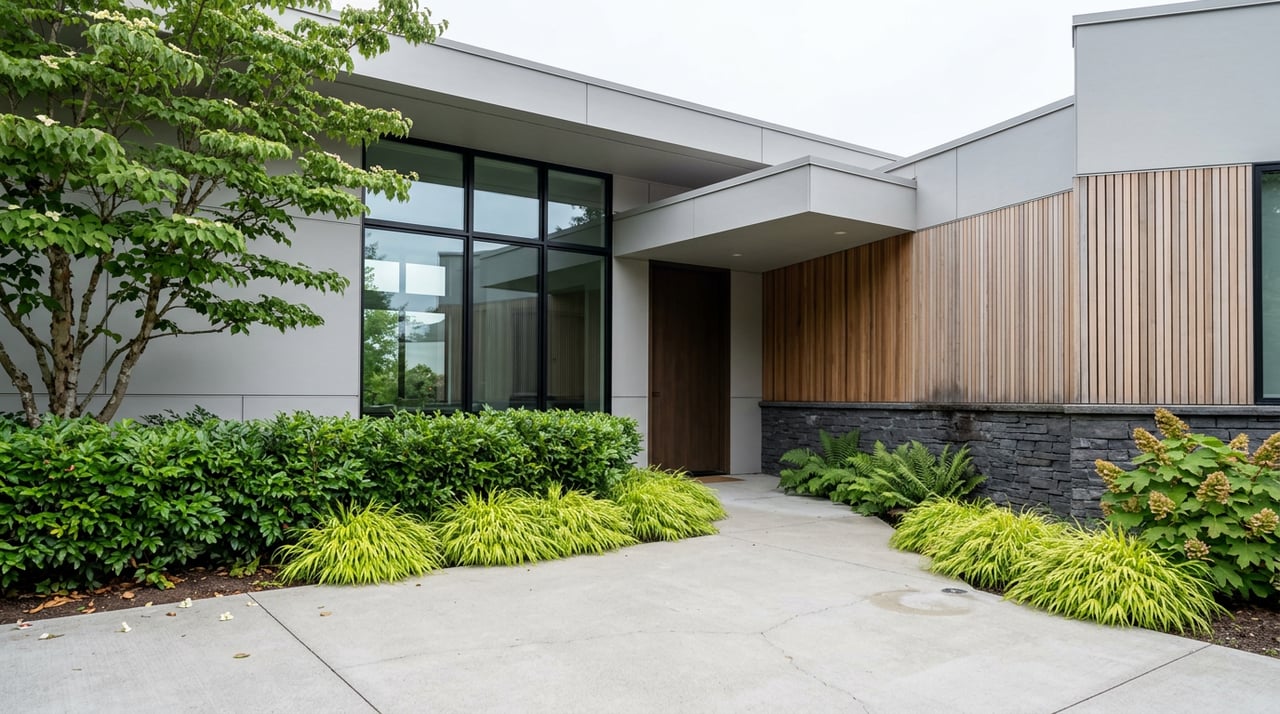
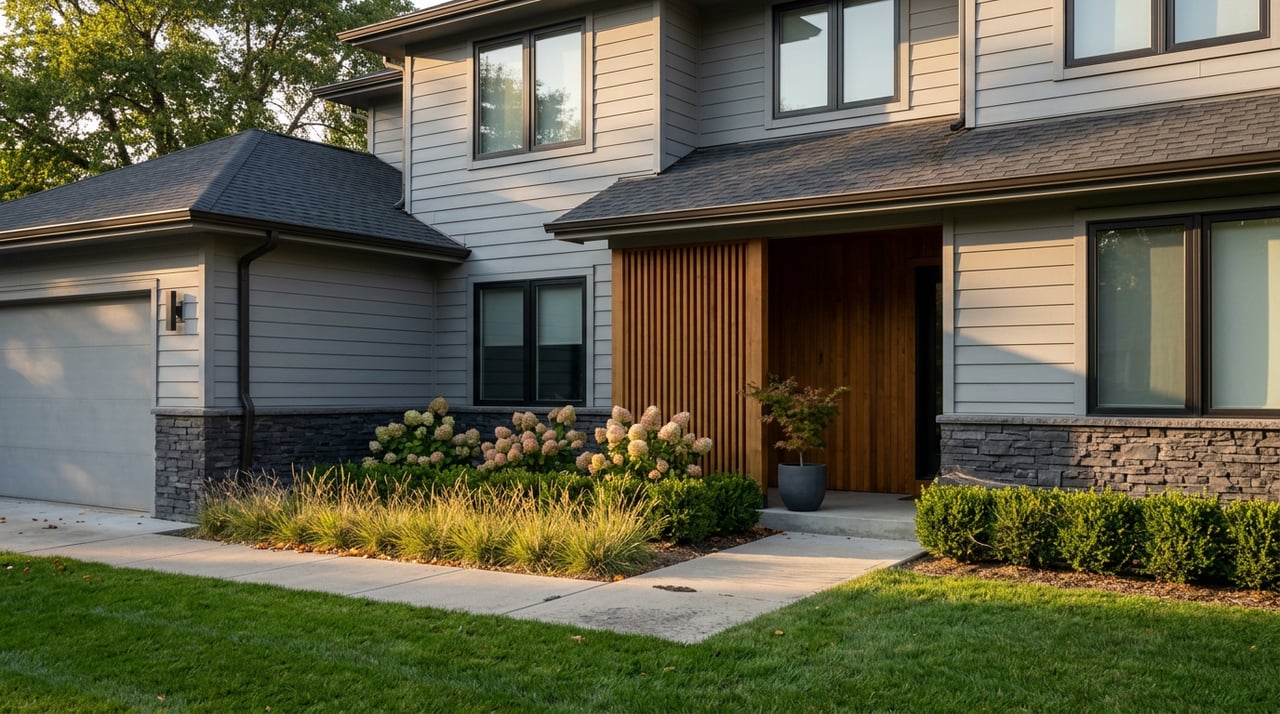
In luxury terms, established neighborhoods often compete on lot quality, privacy, landscaping maturity, and a more settled residential feel. That is a different value story from a newly built home near transit. In Redmond, both can command premium prices, but they do so for different reasons.
Transit is shaping buyer decisions
Light rail is now part of Redmond’s market story. The city says light rail serves Marymoor Village and Downtown Redmond with 10-minute service between South Bellevue and Downtown Redmond. That creates a real transportation alternative connected to the Microsoft campus and the broader Eastside network.
For some buyers, especially time-sensitive professionals, transit access can directly influence which luxury homes make the shortlist. It may support pricing for properties near urban centers or station areas, particularly when paired with newer design and convenience. It also adds another layer to how value is formed across submarkets.
That does not mean transit adjacency automatically outweighs other factors. In Redmond, many luxury buyers still place a high value on privacy, trees, lot size, and established neighborhood character. The point is that market dynamics are becoming more segmented, not simpler.
What features the market appears to reward
Redfin’s Redmond feature study offers a useful look at what buyers appear to value in spring 2026. Among the strongest sale-to-list features were hot tubs, new roofs, den offices, fenced back yards, stainless appliances, and fresh paint. These may sound practical, but that is exactly the point.
In a market shaped by affluent, often work-from-home or hybrid buyers, function matters alongside design. A usable office or den can carry real value. Turnkey condition also matters because many luxury buyers want a smoother move and fewer immediate projects.
For sellers, this reinforces the value of thoughtful preparation. In the upper tier, polished presentation is not just about style. It helps buyers see a home as current, efficient, and ready for daily life.
How buyers and sellers should read timing
Timing in Redmond is best read year over year, not by pulling one month out of context. Comparing March 2026 to March 2025 gives a clearer view than comparing spring to winter or summer to fall. Inventory mix and seasonal patterns can change the picture quickly.
The latest local data suggests a market that still rewards well-priced, well-prepared homes. It also suggests buyers may have more leverage when a property is chasing the market rather than meeting it. That is especially true in the luxury space, where buyers tend to be informed, selective, and less likely to stretch simply because a listing is scarce.
If you are selling, the goal is not to test the ceiling without support. It is to align pricing, presentation, and launch strategy so the home enters the market with a compelling case. If you are buying, the goal is to separate the truly competitive properties from the listings where negotiation may be possible.
What this means for Redmond luxury
Redmond’s luxury market is being shaped by several forces at once: high local incomes, a deep tech employment base, local buyer retention, transit-oriented growth, and the lasting appeal of mature single-family neighborhoods. That mix creates opportunity, but it also creates variation. One neighborhood, one product type, or one pricing band does not tell the full story.
That is why broad market headlines only go so far. In Redmond, premium pricing is often formed by the interaction of design, location, lot quality, convenience, and condition. The more clearly you understand that balance, the better your decisions tend to be.
If you want a data-backed, design-aware approach to buying or selling in Redmond’s luxury market, Brian Hopper can help you build a private market strategy tailored to your property, timing, and goals.
FAQs
How competitive is the Redmond luxury home market right now?
- Redmond remains competitive, with March 2026 data showing 13 median days on market, a 99.4% sale-to-list ratio, and 22% of homes selling above list price, but 37.5% of listings also took price cuts.
What drives luxury home demand in Redmond?
- Local demand is supported by Redmond’s high median household income, highly educated population, and major employers such as Microsoft, Nintendo of America, Amazon Kuiper, Meta, Astronics, and Stryker.
Are Redmond luxury buyers mostly local or moving from outside the area?
- Redfin reported that 77% of Redmond homebuyers searched to stay within the metro area in late 2025, which suggests a strongly local buyer base.
Do new construction homes compete differently in Redmond?
- Yes. Newer homes in areas like Downtown, Overlake, and Marymoor Village often compete on modern design, efficient layouts, and transit access, while established neighborhoods often compete on privacy, lot quality, mature trees, and neighborhood feel.
What home features seem to matter most to Redmond buyers?
- Spring 2026 Redfin feature data suggests buyers responded well to hot tubs, new roofs, den offices, fenced back yards, stainless appliances, and fresh paint.
Is pricing still aggressive for Redmond luxury listings?
- Pricing can still be strong, but the data suggests precision matters more than blanket ambition. Homes are generally selling close to list, yet a meaningful share of listings are taking price cuts when the market does not support the original ask.