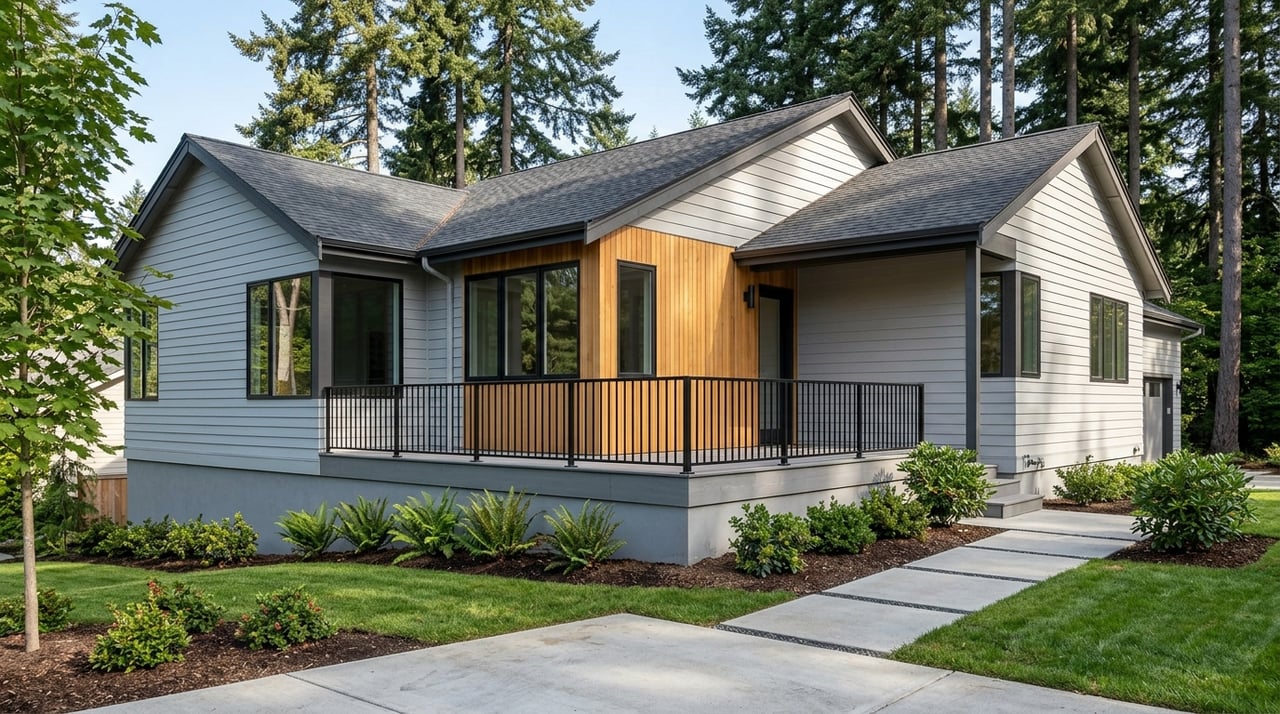
If your starter home no longer fits the way you live, you are not alone. In Issaquah, many homeowners reach a point where they want more space, a better layout, or the kind of outlook that makes coming home feel special. The good news is that a move-up can be very achievable with the right plan, and this guide will help you think through timing, equity, neighborhood fit, and what to expect in a fast market. Let’s dive in.
Why move-up planning matters in Issaquah
Issaquah is not a market where you can casually browse for months and expect the right view home to still be available. Zillow reports a typical home value of $1,167,995 as of April 30, 2026, with 176 homes for sale, a median sale price of $987,500, and median days to pending of 13. That pace means preparation matters just as much as desire.
For move-up buyers, the challenge is usually not just finding a larger home. It is understanding how your current equity, your next monthly payment, and the limited supply of view-oriented homes all work together. When you plan those pieces early, you can move with more confidence and less stress.
Start with your real net proceeds
Before you shop for your next home, you need a clear estimate of what your current home could contribute to the move. That starts with more than your mortgage balance and an online value estimate. The real number is your expected net after payoff, selling costs, taxes, and any other transaction expenses.
King County assesses residential property each year at market value, generally using a value date of January 1 of the prior year for taxes paid this year. Washington also requires counties to assess property at true and fair value. That makes assessed value a useful reference point, but it should not replace a current market analysis if you are trying to decide whether a move-up is realistic today.
A practical first step is to request a current net sheet. That lets you compare your likely sale proceeds against the price range you want to target in Issaquah’s view-home market.
Account for seller costs early
Many homeowners overestimate how much cash they will have available after closing. In Washington, the real estate excise tax, or REET, applies to most property sales, and the seller usually pays it according to the Washington Department of Revenue. That cost needs to be built into your planning from the start.
You should also think about whether any capital gain could be taxable. The IRS home-sale exclusion may allow up to $250,000 of gain for single filers or $500,000 for joint filers if the ownership and use tests are met within the five-year window. The two-out-of-five-year rule becomes especially important if you have not lived in your starter home very long or if you sold another main home recently.
Understand the payment gap
The jump from a starter home to a larger or view-oriented property is often less about price alone and more about the monthly payment gap. Freddie Mac reported the 30-year fixed mortgage rate at 6.36% on May 14, 2026. At that rate level, even a modest increase in purchase price can create a meaningful change in monthly cost.
That is why move-up planning should include two numbers, not one. You want to know how much home you can qualify for, but you also want to know what payment still feels comfortable for your household. A larger budget is only helpful if it supports the way you want to live after the move.
Issaquah is a micro-market city
One of the biggest mistakes move-up buyers make is treating Issaquah like one single market. The city formally recognizes distinct areas including Issaquah Highlands, Talus, Squak Mountain, Olde Town, North Issaquah, South Lake Sammamish, and more. In practical terms, that means view potential, commute access, lot size, and day-to-day convenience can change quickly from one part of the city to another.
If your goal is a true view home, your search should stay focused on the subareas that consistently offer that lifestyle. If your goal is a blend of convenience and scenery, a different part of Issaquah may fit better. Getting specific early helps you avoid chasing homes that look good online but do not match your priorities in person.
Where view-home buyers often focus
Issaquah Highlands
Issaquah Highlands often stands out for buyers who want convenience with elevated outlooks. The city describes it as an urban village with open space, retail, public transit options, and more than 4,000 homes. Local planning documents also note that many Highlands properties gain value from views of the Olympics, surrounding territory, and Lake Sammamish.
For a move-up buyer, that can mean a strong mix of neighborhood structure, access, and scenery. Because much of the land supply is largely built out, opportunities can be selective.
Talus and Montreux
Talus and Montreux are strong options if you want a view-focused setting with a more defined hillside identity. Talus is a 630-acre master-planned community on Cougar Mountain with trail access and a preserve. Montreux is mostly built out, and most of its 247 homes enjoy Lake Sammamish and Cascade Mountain views.
These communities appeal to buyers who want a clear sense of place and direct connection to Issaquah’s outdoor setting. They can also be competitive because inventory is naturally limited.
Squak Mountain and Sycamore
If privacy and a wooded feel matter most, Squak Mountain and nearby Sycamore deserve close attention. The city describes this area as having towering evergreen trees, reduced-traffic dead-end streets, and a range of views that can include Lake Sammamish, downtown Issaquah, and forest outlooks.
Sycamore is also shaped by steep slopes and wetlands. That helps explain why lots can be scarce and why homes in these settings may feel harder to replace once they come to market.
North Issaquah and South Lake Sammamish
North Issaquah and South Lake Sammamish can be a strong fit if your lifestyle leans toward lake access and daily convenience. North Issaquah offers panoramic Olympic Mountain views and easy access to Lake Sammamish State Park and the East Lake Sammamish Trail. South Lake Sammamish includes shoreline-adjacent neighborhoods, and Timberlake Park provides a trail to the lake shore and beach area.
If you want your next home to balance access, recreation, and selected view opportunities, these areas may deserve a spot on your list.
Olde Town
Olde Town offers a different kind of move-up appeal. It is less about classic perched view inventory and more about charm, mountain views, and a walkable historic downtown setting. The city describes the area as one that can be traveled safely and comfortably by car, bus, bicycle, or foot.
For some buyers, that lifestyle is more valuable than a broad lake or mountain panorama. It depends on how you want your next chapter to feel day to day.
Why true view homes are often scarce
In Issaquah, view inventory is not limited by chance alone. Local planning documents show that some areas are shaped by steep slopes, wetlands, protected open space, and hillside topography. That helps explain why true view homes can be scarce and why they often command a premium.
This matters when you set expectations. If your goal is a larger home with a meaningful outlook, you may need to act quickly when the right property appears. Waiting for the perfect combination of size, price, and setting can mean missing the best opportunities.
Decide on your buy-sell sequence
Once you understand your likely net proceeds and target budget, the next question is timing. In Issaquah, a practical move-up process is to decide whether to sell first, buy first, or briefly overlap closings. That choice matters because inventory remains relatively limited, homes can go pending quickly, and mortgage rates remain in the mid-6% range.
There is no one answer for every household. The best sequence depends on your comfort with risk, your cash position, and how specific your next-home criteria are.
Sell first
Selling first can give you the clearest financial picture. You know your proceeds, your timing, and your exact budget before making an offer on the next home.
This route can reduce stress around affordability, but it may require temporary housing or a short-term plan if your replacement home is not available right away.
Buy first
Buying first can work if you want more control over your next-home search and have the financial flexibility to carry that step. This approach can be attractive when you do not want to feel rushed into a purchase.
The tradeoff is that you need a very clear understanding of your cash flow and exposure if your current home takes longer to sell than expected.
Overlap closings
A brief overlap can be the middle path. It may let you move more smoothly from one home to the next while avoiding a long gap between transactions.
In a fast-moving market, this can be useful if you find the right view home before your sale fully closes. It still requires careful coordination and a realistic plan.
Prepare your starter home to compete
Your move-up strategy depends heavily on what happens with your current home. King County says residential valuation is based on market value and uses comparable sales and the cost approach. In a market where buyers move quickly, a clean, well-maintained home with accurate comp selection is easier for buyers to understand and price.
That is where thoughtful preparation matters. Strong presentation, disciplined pricing, and a polished launch can help reduce friction and support your next purchase timeline.
For many move-up sellers, the goal is not simply to list the home. It is to position it so the market responds clearly and quickly.
Focus on fit, not perfect timing
Many homeowners delay a move-up because they are trying to time the market perfectly. In reality, the better question is whether your equity, financing, and target neighborhood line up with the home you want next. In Issaquah, where view homes are concentrated in specific hillside and master-planned areas, readiness often matters more than prediction.
If your current home has built meaningful equity and your next payment still fits your long-term comfort zone, it may be time to plan seriously. The right move-up is less about catching a perfect moment and more about being ready when the right property comes to market.
If you are considering a move from a starter home to a view home in Issaquah, a private strategy can help you weigh equity, timing, neighborhood options, and presentation in one clear plan. To explore your next step with a polished, high-touch approach, request a private market strategy with Brian Hopper.
FAQs
What makes Issaquah challenging for move-up buyers?
- Issaquah is a relatively fast-moving market, with Zillow reporting median days to pending of 13 as of April 30, 2026, so buyers usually need financing, timing, and neighborhood priorities lined up before they start shopping.
How should Issaquah homeowners estimate equity before moving up?
- Start with a current market analysis and net sheet, not just assessed value, because your real proceeds depend on likely sale price, mortgage payoff, selling costs, REET, and any other closing expenses.
Which Issaquah areas are known for view-home potential?
- Local planning documents point to areas such as Issaquah Highlands, Talus, Montreux, Squak Mountain, Sycamore, North Issaquah, and parts of South Lake Sammamish as places where views and outdoor-oriented settings can be part of the move-up search.
Why are view homes in Issaquah often limited?
- In several Issaquah subareas, steep slopes, wetlands, protected open space, and hillside topography limit where homes can be built, which helps explain why view inventory can be scarce.
What seller costs should Washington homeowners plan for when moving up?
- Washington sellers should account for real estate excise tax, or REET, plus mortgage payoff and other selling costs, and they should also review whether the IRS home-sale exclusion applies to their situation.
Is assessed value enough to price a starter home in Issaquah?
- No. Assessed value is a helpful reference, but King County and Washington state guidance make clear that current market value should be evaluated separately when you are planning a sale.
Should move-up buyers in Issaquah sell first or buy first?
- The right answer depends on your finances, risk tolerance, and how specific your next-home criteria are, but many households choose between selling first, buying first, or briefly overlapping closings based on their comfort level and timing needs.