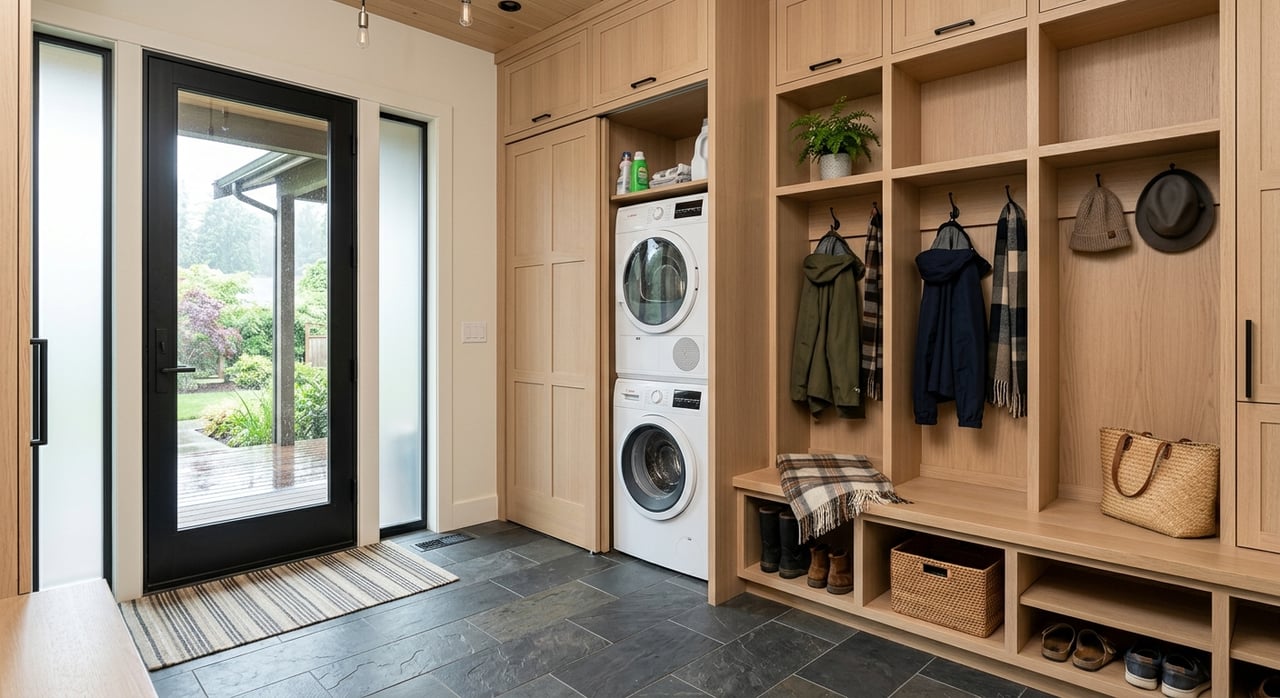
Are you thinking about offsetting the cost of your Cle Elum second home with short-term rental income? It can be an appealing idea, especially in a four-season destination that draws visitors for outdoor recreation throughout the year. But in Cle Elum and the Suncadia area, turning a second home into a short-term rental is not just about posting photos and setting nightly rates. You also need to understand permits, safety reviews, taxes, local operating rules, and sometimes resort-specific restrictions. Let’s dive in.
Why STR rules matter in Cle Elum
In Cle Elum city limits, a short-term rental is generally defined as lodging for 29 consecutive days or less. Before you operate, the city requires a permit, and that permit is tied to the host rather than the property. If the home is sold or transferred, the permit does not transfer with it.
The city also limits each host to three short-term rentals, and each unit needs its own permit. In residential areas, short-term rentals must be spaced at least 250 feet apart. Cle Elum provides a public map portal and measuring tool to help applicants review spacing and existing short-term rentals before moving forward.
What the city requires before approval
In Cle Elum, the review process goes beyond a basic application. You will need to provide a site plan, parking count, occupancy information, and a local contact person who can respond within 60 minutes, 24 hours a day, 7 days a week.
The planning department handles the permit process, but the building department must also complete a transient-accommodation safety review before approval. If you do not live in the dwelling, the city requires a Type 2 review with notice to parcels within 300 feet. The current city permit materials also list a $1,000 permit fee and require a city business license.
Operating rules you need to plan for
Once a permit is issued, the day-to-day rules still matter. Cle Elum requires a posted notice inside the home with emergency contacts, escape routes, fire extinguisher locations, utility shut-offs, sleeping occupancy, vehicle parking details, trash timing, snow-removal instructions, quiet-hours language, and pet policy.
The city also requires insurance on file and records kept for three years. Those records may need to be provided if requested. If there are repeated issues such as noise, parking, nuisance complaints, or failure to pay lodging tax or maintain a city business license, the city can revoke the permit.
Suncadia properties have added layers
If your second home is in or near Suncadia, you may have another set of rules to follow. Kittitas County’s master planned resort code treats short-term visitor accommodations as part of resort planning and specifically includes vacation and second homes in that category.
That means an STR may be allowed in concept, while still being subject to resort-specific standards and restrictions. In practical terms, your path may depend on city rules, county code, and community rules all at once.
Suncadia community rules to expect
Suncadia requires owners to register their intent to rent short term. The published community materials also make owners responsible for violations committed by tenants or owner guests.
The rules address quiet hours, parking on approved hard surfaces only, no overnight street parking, no open fires or fireworks, and no camping tents or sleeping in RVs or vehicles. Events and parties also face restrictions, and repeated noise or parking problems can trigger escalating fines.
Outside city limits, county oversight still matters
If your property is outside Cle Elum city limits, the governing framework may change. In unincorporated Kittitas County, the fire marshal is authorized to inspect commercial vacation rentals and other lodging uses, and annual fire and life-safety inspections may apply to businesses open to the public or otherwise within the code’s scope.
This is one reason parcel-specific due diligence matters so much in the Cle Elum area. Two homes that seem close together can fall under different layers of regulation depending on whether they are in city limits, in a resort setting, or in unincorporated county.
Taxes and licensing are part of the job
Washington treats short-term rentals as taxable lodging activity. If you rent a home, condo, room, cabin, RV site, or similar space for less than 30 days, you may need to register, collect retail sales tax, pay lodging-related taxes depending on location, and remit retailing B&O tax where applicable.
For Cle Elum properties in city limits, the city code states that room tax applies to all short-term rentals. State law also says short-term rental operators must remit all applicable taxes unless the booking platform does that on the owner’s behalf. Even if a platform collects some taxes, you are still responsible for confirming what is being handled and what is not.
Safety upgrades can affect your budget
If you are converting a second home into an STR, compliance may involve more than paperwork. Cle Elum’s ordinance requires a building-inspection checklist documenting compliance with transient-accommodation requirements before permit issuance.
The city began using updated 2021 building, residential, mechanical, fire, plumbing, and energy codes on March 15, 2024. Depending on the home, that can shape your timeline and budget. Items such as life-safety features, guest instructions, winter access, and parking layout should be part of your planning from the start.
Why seasonality matters in Cle Elum
The Cle Elum and Suncadia corridor benefits from four-season appeal. Area recreation includes golf, hiking, biking, pools, trails, and winter ski access, while nearby public recreation areas support hiking, fishing, swimming, birding, skiing, snowshoeing, and snowmobiling.
That year-round draw can support guest demand across different parts of the calendar. It can also create periods of heavier guest activity around winter travel windows, snow weekends, and summer recreation periods. For you as an owner, that means operations need to be ready for both peak demand and peak responsibility.
Managed rental programs versus self-management
Some owners look at managed rental options in Suncadia as a way to reduce day-to-day involvement. The resort publishes separate guest taxes and fees, including sales tax, occupancy tax, cleaning fees, and a resort fee, along with access to resort amenities and housekeeping options.
A managed model may reduce your hands-on workload, but it can also change the economics and limit flexibility. Guest use is governed by the program’s rules rather than your personal preferences alone. If you want to use your second home often or maintain tighter control over bookings, that tradeoff matters.
Is a short-term rental the right fit?
For many owners, the biggest question is not whether a home can be rented short term. It is whether the model fits your goals, schedule, and tolerance for ongoing oversight.
In Cle Elum, short-term rental ownership is best viewed as a compliance and operations decision, not just an income decision. You may need a 24/7 local contact, regular snow management, guest communication systems, tax tracking, and quick responses to parking or noise concerns. If that sounds manageable, the strategy may work well. If not, you may want to explore alternatives before you buy or convert.
Smart steps before you move forward
If you are considering a Cle Elum second home as a short-term rental, start with a property-specific review. Focus on the parcel, the jurisdiction, and the operating reality rather than broad assumptions.
A practical checklist includes:
- Confirm whether the home is inside Cle Elum city limits, in Suncadia, or in unincorporated Kittitas County
- Review whether short-term rental spacing rules apply to the parcel
- Verify permit requirements, fees, business license needs, and safety review steps
- Check parking, occupancy, winter access, and local-contact logistics
- Understand tax collection and recordkeeping responsibilities
- Review any resort or community rules that may add fines or use restrictions
For buyers, this kind of diligence is especially important before you close. For current owners, it can help you avoid expensive surprises after you decide to rent.
If you are weighing a second-home purchase or preparing an existing property for the rental market in Cle Elum or Suncadia, a thoughtful strategy can save time and protect flexibility. For a private market strategy tailored to your goals, connect with Brian Hopper.
FAQs
What is a short-term rental in Cle Elum?
- In Cle Elum city limits, a short-term rental is lodging for no more than 29 consecutive calendar days.
Does a Cle Elum short-term rental need a permit?
- Yes. The city requires a permit before operation, and each unit needs its own permit.
Can a Cle Elum STR permit transfer to a new owner?
- No. The permit is personal to the host and does not transfer on sale or transfer of the property.
Are there spacing rules for short-term rentals in Cle Elum?
- Yes. In residential areas, short-term rentals must be at least 250 feet apart.
What extra rules apply to Suncadia short-term rentals?
- Suncadia properties may be subject to county resort code and community rules covering registration, quiet hours, parking, events, and owner responsibility for guest violations.
Do short-term rental owners in Cle Elum need to collect taxes?
- Washington treats short-term rentals as taxable lodging activity, and Cle Elum city code states that room tax applies to all STRs within city limits.
Is running a Cle Elum second-home rental mostly passive?
- Not usually. Owners may need to manage permits, safety compliance, taxes, local-contact response, snow removal, guest communication, and community-rule enforcement.